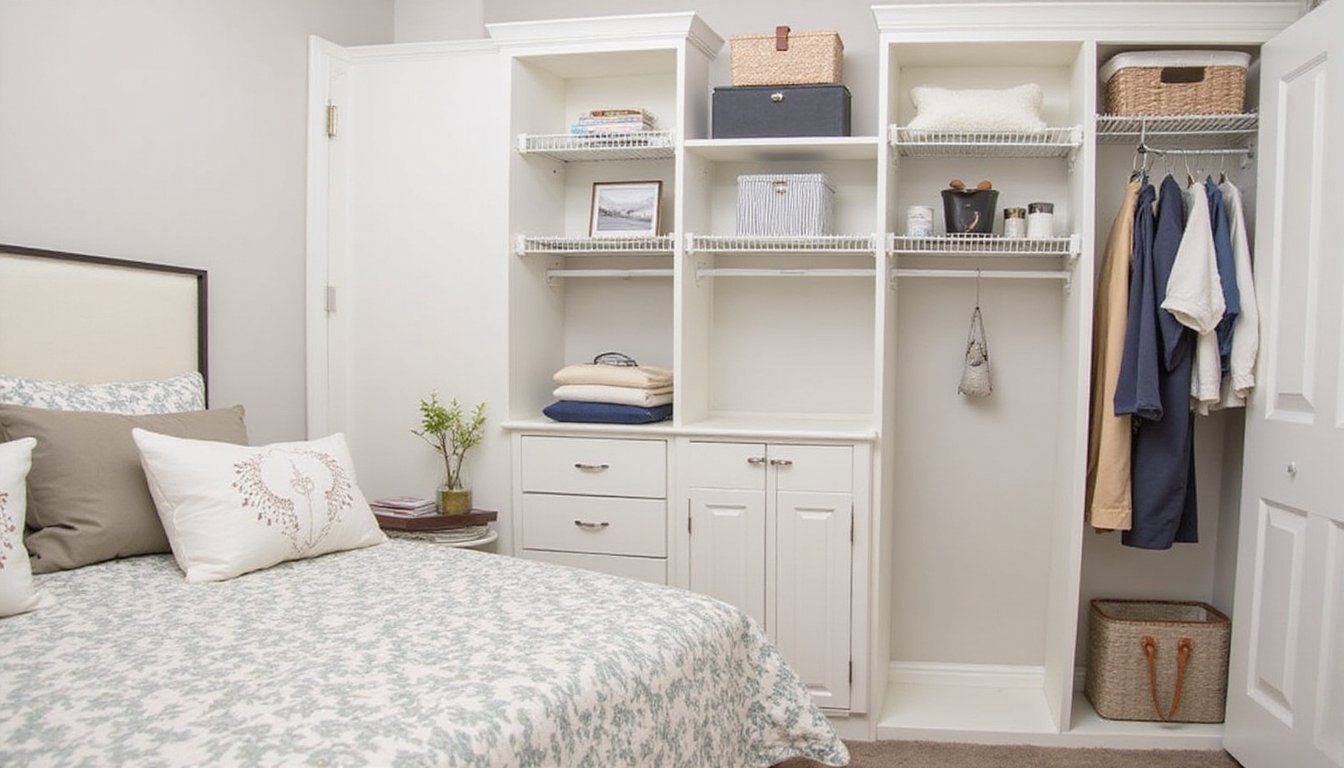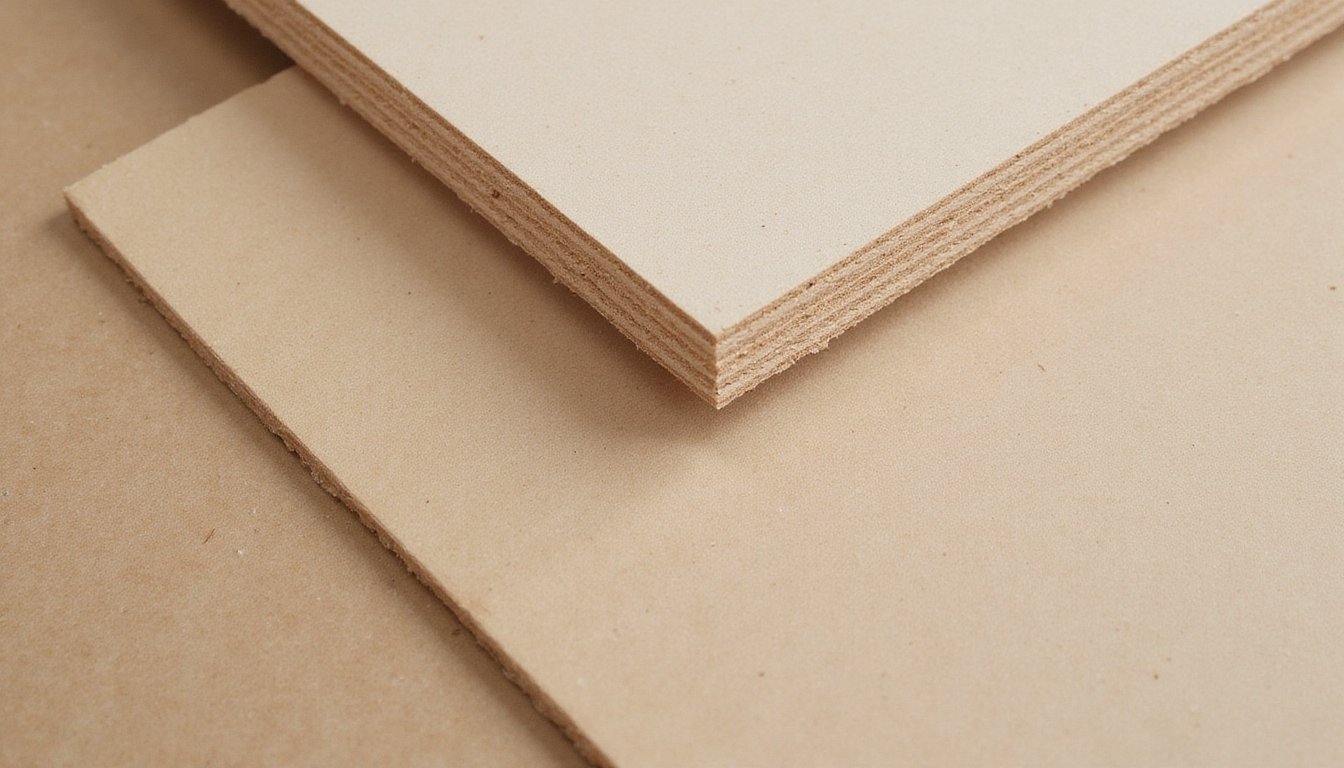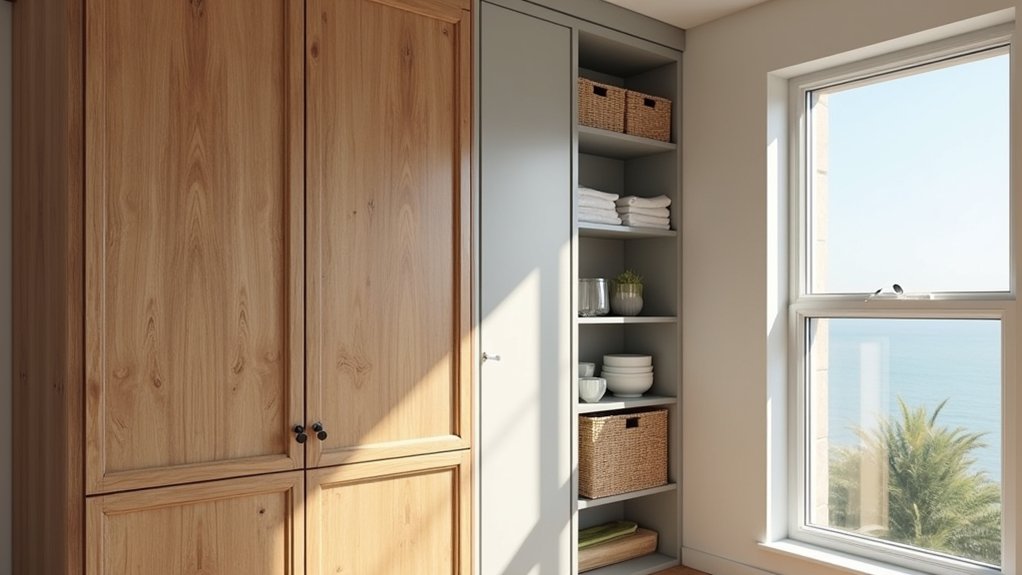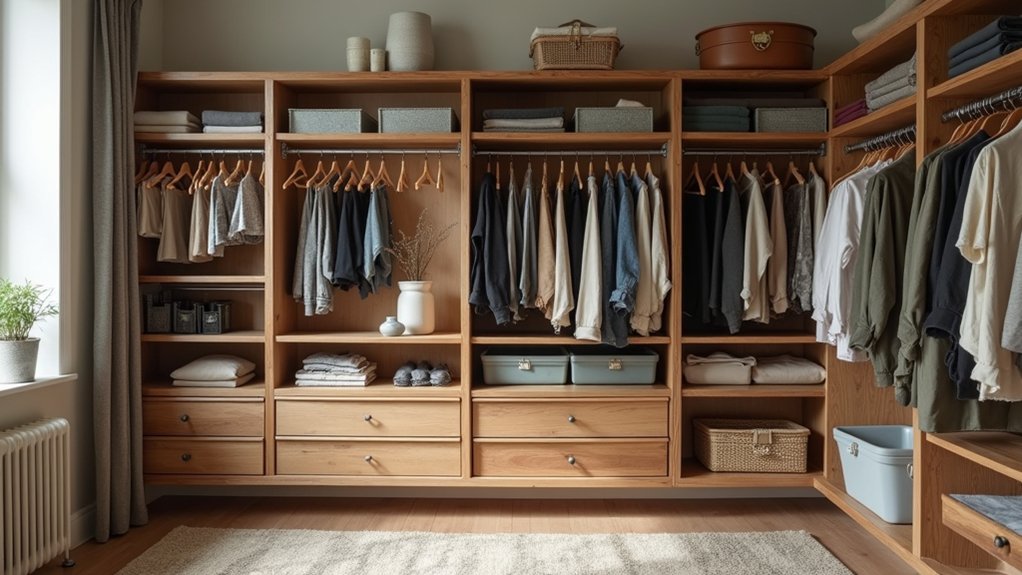
When you’re designing closets for humid coastal environments, you’ll want materials that won’t swell or warp above 70% relative humidity. Your best options include marine-grade plywood for structural frames, high-pressure laminate (HPL) for heavy-use surfaces, thermally fused laminate (TFL) for lighter areas, and powder-coated metal hardware that resists salt air corrosion. Melamine works as a budget-friendly choice when edges are properly sealed. Each material offers distinct advantages for specific closet applications.
How Coastal Humidity Destroys Standard Closet Materials
Living near the coast exposes your closet materials to five destructive forces that work together to break down standard construction components.
Coastal living puts your closet materials under constant attack from moisture, salt, and humidity working together.
First, moisture absorption causes MDF, particleboard, and unsealed plywood edges to swell rapidly, jamming doors and drawers. Second, warping follows as wood expands unevenly, compromising frame alignment. Third, airborne salt corrodes hinges, handles, and runners, creating entry points for additional moisture damage.
Fourth, hidden moisture pockets form behind walls and inside poorly ventilated walk-in closets. These damp zones foster mold growth, creating the health impact of mold through respiratory irritants and persistent odors. The ocean acts as a massive humidifier, constantly pumping moisture into coastal air and intensifying these conditions year-round. Fifth, your finishes deteriorate, paints blister, laminates peel, and veneers crack, exposing vulnerable substrates to accelerated breakdown. Without proper sealing and moisture-tolerant finishes, these exposed surfaces become increasingly vulnerable to ongoing humidity damage. Installing built-in humidity sensors allows you to monitor moisture levels and address problems before irreversible damage occurs.
Understanding these mechanisms helps you select materials that resist coastal conditions effectively.
What to Look for in Humidity-Resistant Closet Materials
Now that you understand how coastal conditions attack standard closet components, you can focus on selecting materials engineered to withstand these challenges. Prioritize non-porous surfaces that prevent water absorption and waterproof adhesives that reduce swelling risks in engineered boards.
Look for mold blocking finishes like powder-coated metals and specially treated cores that withstand prolonged moisture exposure without delamination. Moisture resistant textiles such as Sunbrella and Crypton fabrics block fungal growth while maintaining durability in humid settings. These fabrics also provide excellent UV protection that prevents fading and degradation from sun exposure through windows.
Select marine-grade plywood for exceptional stability and TFL surfaces that resist peeling and chipping. Guarantee hardware features marine-grade stainless steel to combat salt-air corrosion. Edge sealing on all panels blocks moisture penetration at vulnerable joints. When designing your closet layout, incorporate adjustable shelving systems that allow you to reconfigure storage as your needs change over time. Consider installing slatted or louvered doors on your closet to allow moist air to escape and improve circulation. Finally, verify warranties specifically cover performance in high-humidity Gulf Coast climates.
Melamine: The Budget-Friendly Coastal Closet Option
When budget constraints drive your closet material decisions, melamine offers a practical entry point for coastal homeowners seeking moisture resistance without premium costs. You’ll benefit from its thermally fused laminate surface that resists mold and mildew formation in humid environments.
| Feature | Specification |
|---|---|
| Surface Thickness | 0.5, 1mm laminate |
| Humidity Tolerance | 68, 75% RH sustained |
| Load Capacity | 45, 55 lbs per 36″ span |
| Lifespan (70%+ RH) | 4, 7 years |
| Edge Swelling Rate | 78% by month 22 |
Environmental sustainability drives melamine’s eco-friendly construction, manufacturers use recycled particleboard from tree waste. However, you’ll need edge sealing around cut edges and screw holes to prevent core absorption. Once the core swells, the melamine laminate cracks, bubbles, or peels away from the substrate. Energy efficiency in production keeps costs low while delivering scratch-resistant performance for high-use closet spaces. The hardened resin outer layer makes melamine resistant to chipping, dents, and scratches from daily wear. This makes melamine an excellent choice for closets near bathrooms where humidity levels frequently spike throughout the day.
TFL Laminate Combines Style With Coastal Durability
TFL laminate delivers the moisture resistance coastal closets demand because its resin-saturated decorative paper fuses directly to the wood composite core under intense heat and pressure. This thermal fusion creates a bond that makes delamination virtually impossible, while the surface acts as a protective barrier against humidity and salt air exposure.
You’ll appreciate TFL’s moisture resistant versatility when paired with plywood cores, which outperform particleboard in humid conditions. The scratch-resistant surface withstands daily contact from hangers, bins, and shoe boxes without showing wear. While TFL works well for lighter-use areas, high-pressure laminate offers even greater resistance to scratches, moisture, and impacts for high-traffic coastal closets.
For low maintenance upkeep, you need only a soft cloth with mild soap and water, no special polishes required. TFL maintains its appearance year after year, offering wood-like aesthetics at lower cost while providing superior durability for coastal environments. The manufacturing process uses registered embossing techniques to replicate the look of rare and exotic woods with remarkable authenticity. When sourcing TFL for coastal projects, verify that products meet CARB compliance standards to ensure quality and performance in demanding humid conditions.
High-Pressure Laminate for Heavy-Use Coastal Closets
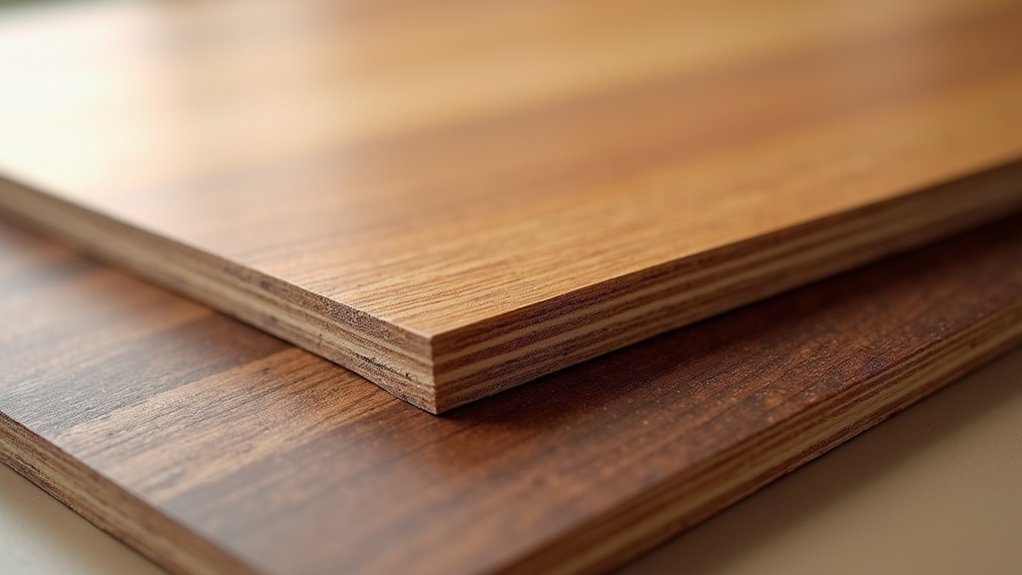
High-pressure laminate (HPL) steps up where standard materials fall short, delivering the durability heavy-use coastal closets require. You’ll find HPL’s non-porous surface blocks moisture penetration, preventing the warping and mold growth that plague traditional materials in humid environments.
When paired with high density fiberboard cores, HPL creates a robust system that handles daily wear from tracked-in sand and salt air. Unlike thermal infused laminate options, HPL withstands heavier impacts and scratches in high-traffic zones. HPL is created by compressing multiple layers of paper and resin under high temperatures and pressures to form a thick, durable sheet. The material resists moisture without swelling or warping, making it perfectly suited for coastal environments.
You can apply HPL to wardrobe doors, drawer fronts, and cabinet panels without sacrificing style for function. The material resists UV fading, so closets near windows maintain their appearance. For coastal homes demanding low-maintenance solutions, HPL offers superior scratch and stain resistance while extending your closet system’s lifespan against relentless humidity.
PVC Panels Deliver 100% Waterproof Coastal Storage
PVC panels offer what no other closet material can match in coastal environments: a 100% waterproof barrier that eliminates swelling, warping, and rot entirely. Their non-porous surface repels moisture, salt spray, and humidity without absorption, preventing mold and mildew growth that plagues traditional materials.
You’ll appreciate the ease of installation with tongue-and-groove interlocking designs that allow single-person setup. Lightweight panels reduce structural load while integrating seamlessly with slatwall systems for customizable storage solutions, add shelves, racks, and hooks exactly where you need them. The interlocking design requires no backer boards, glue, or extra labor, significantly reducing installation time and costs.
Maintenance stays minimal. Simply pressure wash or wipe down surfaces to remove salt residue and grime. The antibacterial coating maintains hygiene without repainting or patching. ASTM-certified for durability, these panels retain their integrity through hurricanes, floods, and years of coastal exposure, delivering long-term performance that outperforms plywood, MDF, and drywall alternatives. The material is formaldehyde-free and does not emit VOCs, making it a safe and eco-friendly choice for enclosed closet spaces.
Bamboo Composites for Warm Coastal Climates
While PVC panels excel at moisture resistance, bamboo composites bring warmth and natural aesthetics to coastal closets without sacrificing durability. You’ll find these materials deliver exceptional bamboo structural integrity through vertically laminated construction, resisting warping and rot for up to 25 years in humid environments.
| Composite Type | Best Application | Key Benefit |
|---|---|---|
| Vertically Laminated | Interior shelving | Enhanced strength |
| Bamboo WPC | Indoor/outdoor use | UV resistance |
| Engineered Bamboo | Structural components | Pest resistance |
Moisture resistant PVC composites pair well with bamboo options, giving you flexibility in high-humidity zones. You can install bamboo WPC in closets facing temperature fluctuations, while engineered varieties handle demanding structural loads. These composites require minimal maintenance, no sealing or staining needed, and emit low VOCs for indoor air safety.
Marine-Grade Plywood for Coastal Closet Frames
When you’re building closet frames in humid coastal environments, marine-grade plywood offers waterproof adhesive construction that prevents moisture penetration between its cross-laminated layers. You’ll find this engineered panel resists delamination and swelling even under constant humidity exposure, thanks to its heat-bonded waterproof structural adhesive and minimal void construction. As a cost-effective coastal solution, it delivers exceptional durability without the premium price of solid hardwoods while providing reliable screw-holding capacity for your closet system components.
Waterproof Adhesive Construction
Because coastal closets face constant humidity exposure, the adhesive bonding your plywood layers together determines whether your frames last decades or delaminate within years. Your adhesive selection directly impacts glue bond longevity, phenolic resins resist 24-72 hours of boiling, while lower-grade melamine fails after just 4-8 hours.
Look for panels marked EXT or marine-grade meeting PS 1-74 or BS 1088 standards. These specifications require WBP (Weather and Boil Proof) glue that won’t separate under prolonged moisture exposure. Phenolic adhesives cure at 150°C under 200 psi pressure, creating inert, boil-proof bonds with minimal formaldehyde outgassing.
For maximum durability, choose plywood with five or more plies bonded with waterproof adhesive. When joining closet frame pieces, apply epoxy over the waterproof glue base to create seamless, moisture-resistant connections throughout your coastal installation.
Resists Delamination and Swelling
Marine-grade plywood’s resistance to delamination and swelling makes it the superior choice for coastal closet frames that’ll face relentless humidity. The waterproof glue bonds under heat and pressure, preventing layer separation even during prolonged moisture exposure. You’ll maintain structural integrity because the construction eliminates voids, knots, and air pockets that typically allow water infiltration.
| Feature | Benefit |
|---|---|
| Cross-laminated plies | Minimizes expansion from humidity |
| High-quality veneers | Reduces moisture absorption |
| Void-free construction | Limits water ingress points |
Your closet frames won’t swell because alternating grain directions in thin plies counteract dimensional changes. Western Larch and Douglas Fir veneers naturally resist moisture absorption, while sanded surfaces accept water-resistant finishes that further safeguard against surface swelling. This combination guarantees your coastal closet maintains precise dimensions year-round.
Cost-Effective Coastal Solution
Why pay premium prices for exotic hardwoods when marine-grade plywood delivers superior moisture resistance at a fraction of the cost? You’ll find thickness options perfectly suited for closet construction:
- 12mm panels work excellently for modular furniture and interior components
- 16mm sheets handle shelving and wall cladding with medium-duty loads
- 19mm thickness provides the rigidity heavy wardrobes demand
- 1/4″ to 1″ options accommodate various frame requirements
The fully waterproof structural adhesive creates an effective moisture barrier throughout all plies, protecting your investment from coastal humidity. Pre-sanded surfaces accept fastening hardware cleanly and take paint readily.
You’re getting Douglas-fir or Western Larch construction, dimensionally stable species that won’t warp under high moisture conditions. Lower-cost alternatives to BS1088 standards exist without sacrificing durability.
Powder-Coated Metal Hardware Resists Salt Air
You’ll find that corrosion-resistant steel systems with powder coating withstand coastal conditions far better than standard hardware, since salt air accelerates metal deterioration up to 400-500 times faster than inland environments. The electrostatic application process creates a non-porous moisture protection layer at 60-120 microns thickness, forming a continuous sealed surface that blocks salt spray, humidity, and UV exposure from reaching the underlying metal. This barrier prevents the rapid rusting that affects unprotected steel within days of coastal exposure, ensuring your closet hardware maintains functionality without premature replacement.
Corrosion-Resistant Steel Systems
Few materials withstand coastal humidity like properly specified steel systems, but the key lies in layered protection rather than relying on a single barrier. When evaluating comparative metal alloy performance, you’ll find 316 stainless steel outperforms standard grades by resisting chlorides even when scratched. For budget-conscious projects, corrosion resistant coating systems like duplex applications, powder coating over hot-dip galvanizing, extend protection 1.5 times beyond individual treatments alone.
Consider these performance benchmarks for coastal closet hardware:
- 316 stainless steel resists corrosion 8,000 times better than bare carbon steel
- Exposed galvanized surfaces fail within 5-7 years near coastlines
- Duplex systems deliver maintenance-free protection in high-chloride environments
- Sheltered HDG components last 15-25 years with proper drainage
You’ll maximize longevity by designing closet systems with adequate ventilation and regular rinsing.
Non-Porous Moisture Protection
Because salt aerosols can attack bare steel within weeks of coastal exposure, powder-coated metal hardware offers critical non-porous protection for closet systems in humid environments. This super durable polyester coating creates moisture resistant surfaces that repel humidity and resist salt corrosion, essential for homes near Pompano Beach and similar coastal areas.
You’ll find saltwater impervious coatings particularly valuable for hinges, locks, and sliding door tracks. The electrostatic application process, cured at 325-450°F, delivers superior adhesion that outperforms traditional liquid paints in UV, humidity, and salt exposure tests. Studies show powder-coated finishes last 5-10 years or more in coastal conditions while providing chip, scratch, and chemical resistance.
For optimal performance, rinse hardware with fresh water after salt exposure and guarantee meticulous surface preparation during installation.
Cost Comparison Across Coastal Closet Materials
Three primary materials dominate coastal closet construction, each occupying a distinct price tier that reflects its performance in humid environments. Your humidity management needs directly influence which option delivers the best value for water absorption levels in coastal settings.
Budget to Premium Pricing:
- MDF reach-in systems: $400, $900 (requires moisture protection)
- Melamine custom reach-ins: starting at $750 (best moisture resistance per dollar)
- Plywood builds: premium pricing (superior strength, edge finishing adds cost)
- Professional walk-in installations: $1,500, $15,000 depending on size
Melamine costs less than solid wood while outperforming MDF without warping, making it the preferred choice for South Florida’s demanding climate. You’ll balance price, performance, and cleaning ease when selecting this material for your coastal closet project.
Frequently Asked Questions
How Often Should I Inspect My Coastal Closet for Early Signs of Damage?
You should conduct regular visual inspections monthly, checking for peeling paint, musty odors, and soft spots on walls. Schedule quarterly professional assessments for thorough moisture detection. After storms or heavy marine layer events, inspect immediately. Focus on monitoring humidity levels by examining condensation on surfaces, hidden areas behind clothing, and floor warping. Bi-annual full inspections following peak humidity seasons help you catch damage early and protect your closet’s structural integrity.
Can I Mix Different Humidity-Resistant Materials in the Same Closet System?
Yes, you can mix different humidity-resistant materials in the same closet system effectively. A combination of materials like marine-grade plywood with PVC shelving or powder-coated metal frames with laminate surfaces maximizes durability while optimizing space. You’ll want to implement humidity control strategies including proper ventilation gaps between dissimilar materials and uniform edge sealing. Acclimate all components for 7-10 days before installation and use marine-grade stainless steel fasteners throughout for lasting joint integrity.
Do Humidity-Resistant Closet Materials Require Special Cleaning Products or Techniques?
You don’t need specialized cleaning products for humidity-resistant closet materials. Non-porous surfaces like laminate, thermofoil, and metal clean easily with mild soap and water or 50% diluted isopropyl alcohol. Use soft microfiber cloths to prevent scratching protective finishes. Wipe shelves every couple of weeks and address spills immediately. Combine regular cleaning with proper humidity control techniques, maintaining dehumidifiers and ensuring air circulation, to maximize your materials’ longevity and mold-resistant performance.
Will Insurance Cover Closet Damage Caused by Coastal Humidity and Salt Exposure?
Standard home insurance won’t cover closet damage from coastal humidity and salt exposure. Insurance coverage limitations typically exclude gradual moisture damage, condensation from poor ventilation, and long-term humidity problems. You’ll need to invest in weather resistant closet construction using materials like marine-grade plywood, aluminum components, or PVC systems to protect your investment. Consider supplementary mold endorsements if you’re in hurricane zones, but preventive material selection remains your most reliable protection strategy.
How Long Do Humidity-Resistant Closet Materials Typically Last in Coastal Environments?
You can expect humidity-resistant closet materials to last 15-25 years in coastal environments when properly maintained. Marine-grade plywood and HPL laminates offer the longest material lifespan due to their low moisture absorption levels. Powder-coated metal components resist corrosion for decades, while sealed hardwoods like teak perform reliably with regular resealing. To maximize durability, you’ll want to seal all exposed edges and conduct frequent inspections of hardware in salt-exposed areas.