
Before you price anything, sort every item into four piles. Keep essentials, sentimental pieces, and anything costly to replace. Sell only clean, working items you’ve tested and checked against recall lists. Donate safe, functional goods that won’t earn enough to justify the haggling. Throw away or properly dispose of broken, incomplete, recalled, or hazardous items, including lithium-ion batteries. Next, you’ll see category-specific rules that’ll help you decide faster and stay on track with tricky items.
Key Takeaways
- Keep essentials, costly-to-replace items, sentimental keepsakes, seasonal gear, and quality tools you will reach for again.
- Sell only clean, working items that pass testing and recall checks, such as furniture, clothing, books, housewares, toys, and tools.
- Donate clean, safe, functional items worth too little to justify selling, like outgrown clothing, complete games, and linens.
- Throw away broken, soiled, incomplete, or recalled items, and take hazardous chemicals, lithium-ion batteries, and electronics to designated disposal sites.
- Sort everything into four labeled categories before pricing, and set a firm deadline for “maybe” items so nothing returns to storage.
What Should You Keep Sell Donate or Throw Away Before a Yard Sale
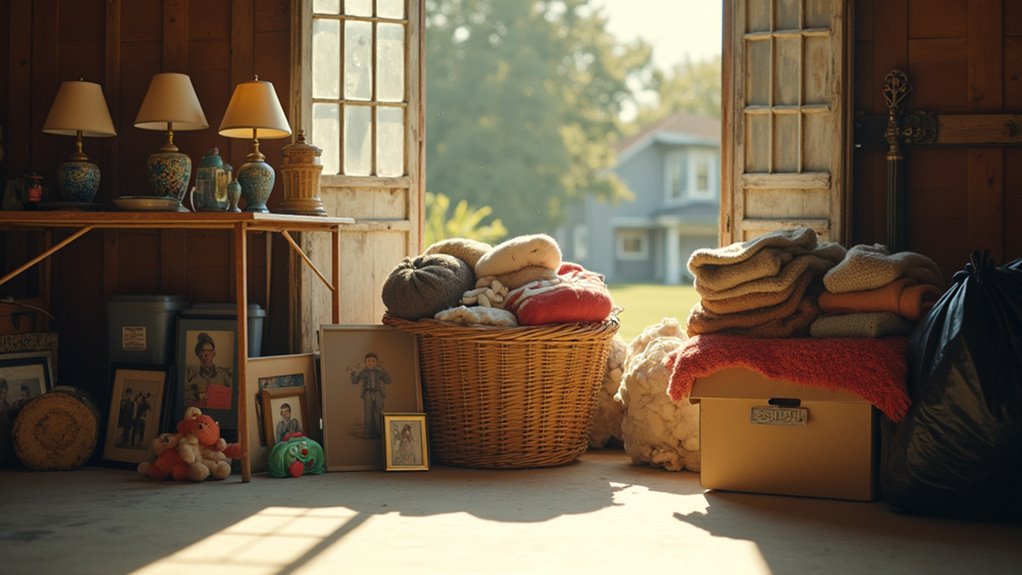
Keep essentials, frequently used belongings, and anything costly to replace or rich in sentimental value. Sell clean, working items like furniture, books, tools, and toys after testing electronics and checking recalls. Donate gently used goods that meet safety standards, but confirm what your local organization accepts. Throw away broken, soiled, or incomplete items, and discard items properly when they involve chemicals, paint, or lithium-ion batteries. Sort everything into these four clear categories (keep, sell, donate, and throw away or dispose of properly) before pricing anything. Set up labeled areas for each group, away from the sale, so your decluttering decisions stay fast and final. This keep, sell, donate system helps you stage a cleaner sale and clear space with confidence.
What Makes an Item Worth Keeping in Long Term Storage
An item is worth keeping in long-term storage if you’d pay real money or effort to replace it later. Weigh each belonging against three tests as you declutter before a yard sale:
- You’d feel its absence. Family photos, heirlooms, and handwritten letters carry memories no store can restock.
- You’ll reach for it again. Seasonal gear, quality tools, and essential household items earn their shelf space through regular use.
- Replacing it would sting. Costly or hard-to-find possessions protect your budget and spare you future frustration.
If a keepsake matters but takes up too much room, photograph it and let it go. Set aside everything you keep before pricing begins, and store it away from the sale area. That clarity makes deciding what to donate easier.
When Is an Item Valuable Enough to Sell

An item is valuable enough to sell when it’s clean, works as intended, and still meets a buyer’s everyday needs. Test electrical and battery-operated goods, and check each product against recall lists before pricing anything. Recalled items shouldn’t be sold or donated. For yard sale tables, focus on serviceable furniture, clothing, books, housewares, toys, tools, and collectibles. Match your effort to your goal: if you want cash, price items fairly to attract buyers; if you want space, sell quickly. Set aside higher-value or specialized pieces for individual listings, since casual shoppers may not pay what they’re worth. Use your keep sell donate throw away system to stage sale items separately and plan payment options before sale day.
When Is Donation Better Than Trying to Sell an Item
Donation is better than selling when an item is clean, functional, and safe but unlikely to earn enough to justify the time spent pricing, staging, and haggling over it. If your goal is clearing space rather than raising money, donating lets you move faster and help someone else.
Choose donation when:
- You’ve got bags of outgrown clothing that would sell for pennies but could warm a family this winter.
- You’d feel relief watching complete games, toys, and books go to kids who’ll enjoy them instead of haggling over quarters.
- You’d rather free your weekend than babysit linens and housewares nobody’s likely to buy.
Call the organization to confirm what it accepts, especially furniture and electronics, before loading the car. Wash clothing and test electrical goods.
When Should Damaged Unsafe or Unusable Items Be Recycled or Discarded
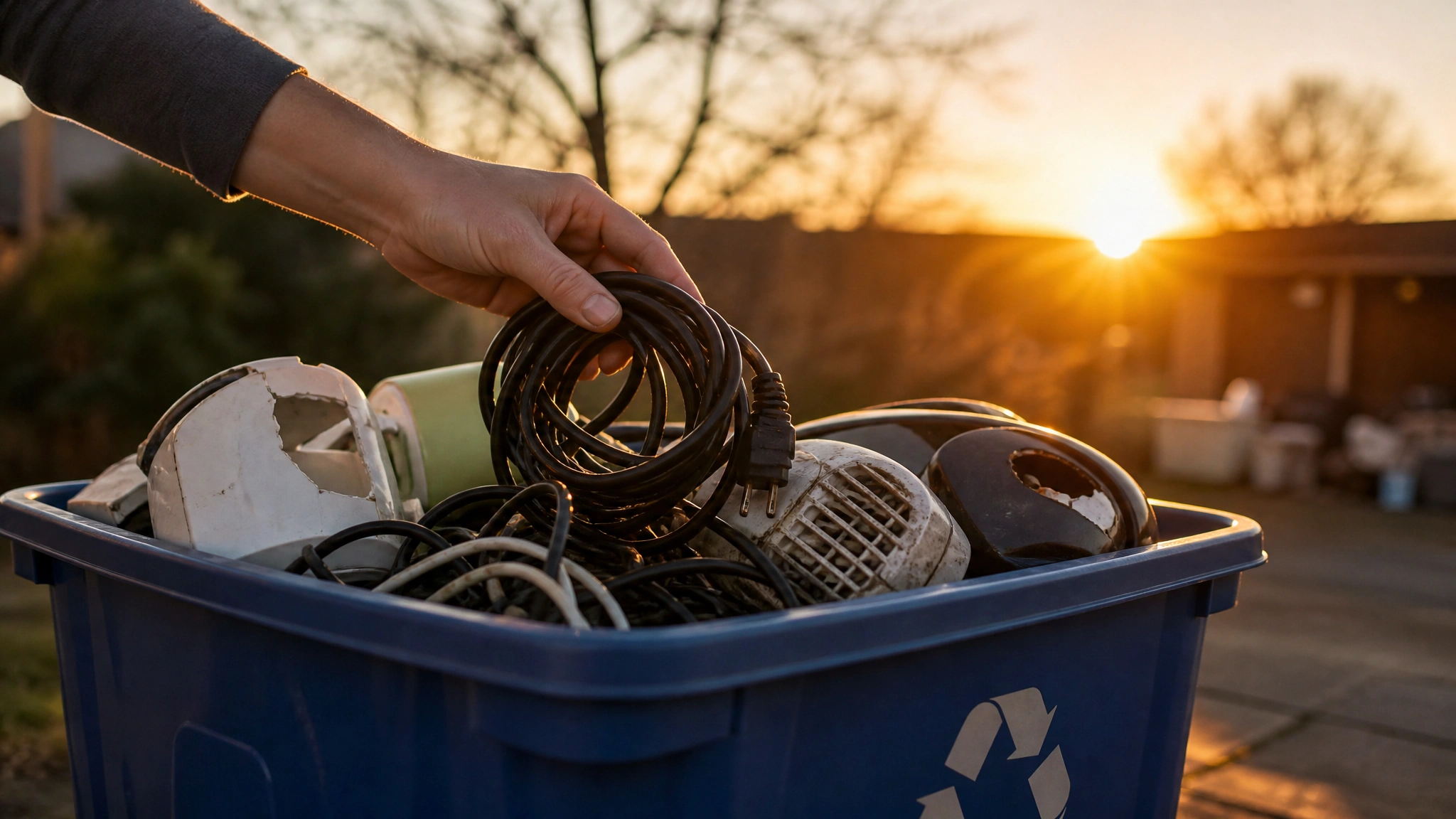
Recycle or discard items that are broken, heavily soiled, incomplete, or not worth repairing, rather than putting them on your sale table or in a donation bag. Recalled products belong in the recycling or disposal pile too, since you shouldn’t sell or donate them. Check how each item should leave your home. Take hazardous chemicals, fuels, and paint to a local hazardous-waste program instead of your trash. Never put lithium-ion batteries, or devices containing them, in household garbage or recycling bins; use a designated collection site. For dead electronics, erase personal data and look for local recycling options. Check municipal guidance before setting out bulky waste, since ordinary pickup may not accept it. Sorting these items now keeps your sale safe and cleanup simple.
How Do Clothing Garage Gear Seasonal Decor and Household Goods Need Different Decision Rules
Each category of belongings wears out, breaks, or loses value differently, so each needs its own test to help you sort faster. Use this table as your quick guide.
| Category | Key Test | Where It Goes |
|---|---|---|
| Clothing | Clean, intact, worn this year? | Sell or donate; discard stained or torn pieces |
| Garage gear | Tested, working, recall-free? | Sell tools; take fuels and chemicals to hazardous-waste sites |
| Seasonal decor | Complete, lights functioning? | Keep favorites; sell or donate extras |
| Household goods | Used regularly, hard to replace? | Keep essentials; sell or donate duplicates |
If an item fails its test, move it to discard or disposal instead of second-guessing. Photograph sentimental decor you can’t store, and remove batteries from gear before recycling. Each decision clears space and builds momentum.
What Rule Keeps Unsure Items From Returning to Permanent Storage
Give each unsure item a firm deadline and a default destination so it never slips back into closets. Place unsure items in a labeled “maybe” box, date it, and decide before sale day. If you haven’t claimed an item by then, it goes to the sell pile. Anything unsold after the sale moves straight to donation or proper disposal, never back to storage.
Ask yourself three questions before rescuing anything:
- Have you used it in the past year, or are you keeping it out of guilt?
- Would you buy it again today if you saw it on someone’s table?
- Does keeping it bring you joy, or does it just crowd the space you’re trying to reclaim?
Trust the rule; you’ll feel lighter afterward.
Make Decluttering Lead to Better Storage
Sorting what stays, sells, gets donated, or gets discarded is easier when the items you keep have a clear place to go. Creative Closet Design creates custom closet systems and storage solutions for Central Florida homeowners so everyday essentials, seasonal gear, and keepsakes stay organized after the sale. Serving Lakeland, Auburndale, Winter Haven, Plant City, Polk County, and Hillsborough County, our designers will look at what you are keeping, how often you use it, and where it should live before drawing anything.Call Our Team to schedule your free design consultation.
Frequently Asked Questions
How Far in Advance Should You Start Sorting Before a Yard Sale?
Start sorting two to four weeks before your sale so you’ve got time to decide calmly. Begin by setting your goal, then sort by category into clearly labeled keep, sell, donate, and discard areas. You’ll need that buffer to test electronics, check recalls, and call donation centers about uncertain items. Set aside keepsakes early, and plan where leftovers will go. Steady progress now makes your sale day far less stressful.
How Should You Label and Separate Sorting Areas in Your Home?
Set up four clearly labeled zones: keep, sell, donate, and discard. Use bold signs, colored tape, or marked bins so you never second-guess where something belongs. Sort by category as you go. Keep non-sale items stored well away from your staging area so nothing gets priced by accident. Stage sale goods separately, and decide now where leftovers will go. You’ll move faster and finish with confidence.
How Do You Erase Personal Data From Electronics Before Selling Them?
Start by backing up anything you’ll want, like photos, contacts, and documents. Next, sign out of every account and turn off tracking features such as Find My, so buyers can use it. Then remove SIM and memory cards and carefully run a factory reset from the settings menu. Before pricing, check whether batteries need separate recycling. You’ve protected your privacy, and your gadget’s ready to welcome its next happy owner.
Can Donating Leftover Yard Sale Items Qualify for a Tax Deduction?
Yes, it can, if you donate to a qualified charitable organization and itemize deductions on your return. You’ll deduct each item’s fair market value, which is usually what similar used goods sell for, and items should be in good used condition or better. Get a dated receipt, list what you gave, and photograph donations. For larger totals, you’ll need extra forms, so check IRS rules or ask a tax professional.
How Can Family Members Agree on Which Shared Belongings to Part With?
Start by agreeing on one shared goal, like raising money or clearing space, so every decision has a clear yardstick. Then sort together using labeled keep, sell, donate, and discard areas. Let each person flag items they won’t part with and set those aside before pricing. If someone’s torn over a keepsake, photograph it to preserve the memory. Finally, decide together where leftovers go, so you’re not revisiting old debates later.