After the sale, clear tables, signs, empty boxes, and unsold piles so you can see your floors, shelves, and walls. Clean surfaces and check what’s left for damage. Then sort everything into keep, donate, discard, and relocate groups. Measure your shelves, walls, and floor area before you buy anything. Give each keeper a home based on how often you use it. Once you know what fits where, the right storage choices start falling into place.
Key Takeaways
- Clear out tables, signs, empty boxes, and unsold piles, then clean exposed surfaces and check remaining items for damage or moisture.
- Sort leftover belongings into keep, donate, discard, and relocate groups, then group keepers by type, like tools or clothing.
- Measure shelf dimensions, wall sections, open floor area, and unused vertical space so storage solutions fit without guessing.
- Store labeled bins and small items on adjustable shelves and drawers, and lock chemicals away in anchored cabinets.
- Keep daily-use items between waist and shoulder height, and add wall organizers, overhead racks, or double rods when space falls short.
How Can You Reorganize a Closet or Garage After a Yard Sale
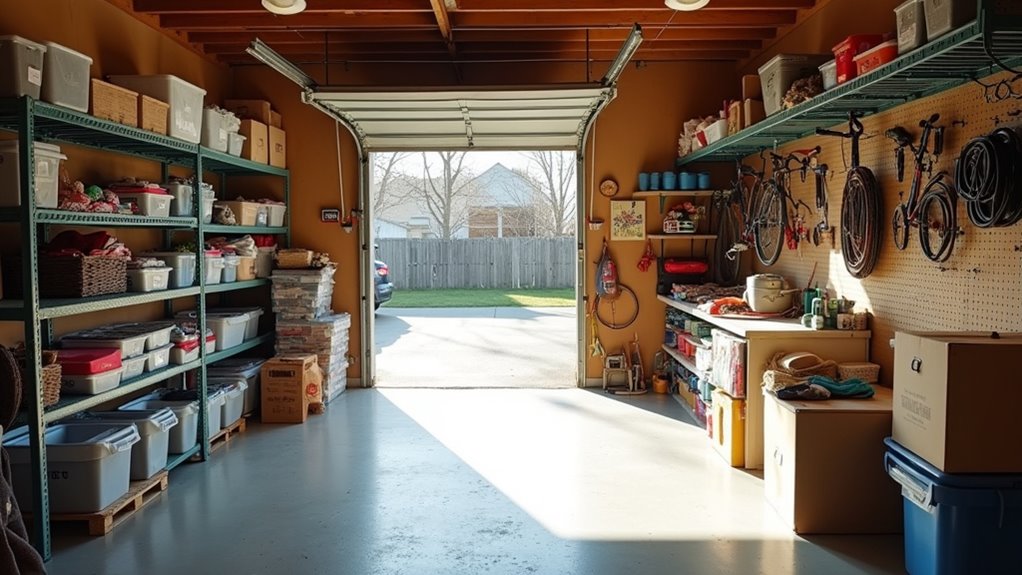
Reorganize your closet or garage after a yard sale by clearing out sale leftovers, sorting what remains, and rebuilding storage around the belongings you actually use. Start by removing tables, signs, empty boxes, and unsold piles, then empty the space enough to see floors, shelves, and walls. Clean exposed surfaces, check items for damage or moisture, and measure before buying organizers.
Next, sort everything into keep, donate, discard, and relocate groups so unwanted clutter doesn’t return. To reorganize a closet after yard sale cleanup, group clothing by type and season. To organize a garage after a yard sale, move gear onto wall-mounted shelving and overhead racks. Label bins and keep daily essentials within reach so your post yard sale storage stays functional.
What Should You Measure Once the Cleared Storage Space Is Visible
Measure your shelves, walls, and available floor area so every storage piece fits the space you actually have.
Start with shelves: record each one’s width, depth, and the clearance between levels. Next, measure wall sections from floor to ceiling, noting studs, outlets, and windows that’ll affect mounted racks or hooks. Then map open floor area, leaving room for doors, walkways, and vehicles in the garage. Don’t forget unused vertical space above shelves or rods.
Write every number down or sketch a floor plan. With accurate figures, closet garage organization becomes easier, and you can plan custom storage after decluttering without guessing. You’ll choose containers that fit, avoid return trips, and build a system that works immediately.
Which Remaining Items Still Need a Permanent Storage Home
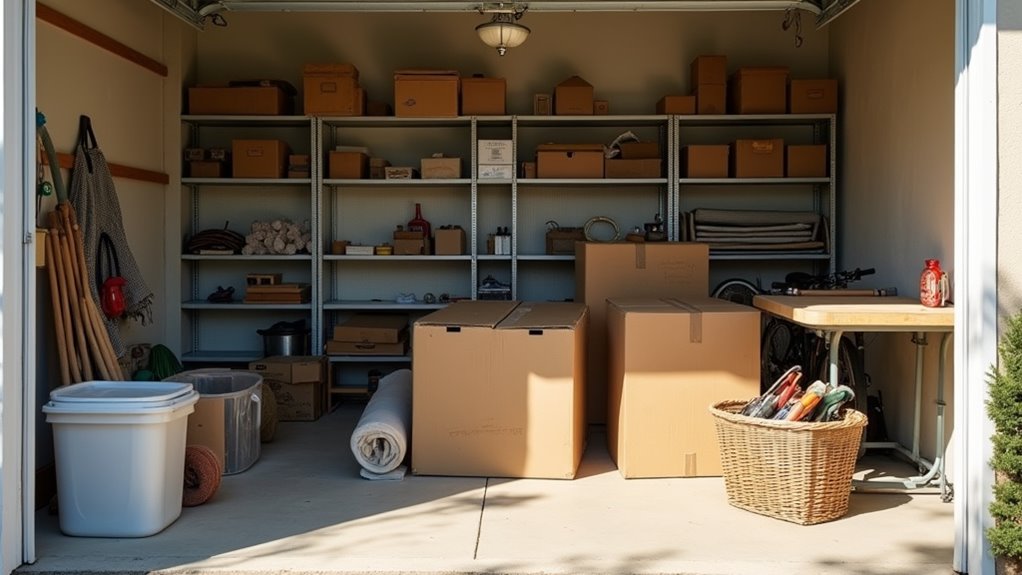
Every belonging you’re keeping after the yard sale still needs a clear, permanent place. Start by dividing everything left into four categories: keep, donate, discard, and relocate. This step stops unwanted items from sneaking back onto your shelves. Next, group your keepers by type, such as clothing, tools, seasonal décor, sports equipment, or gardening supplies. Don’t automatically return unopened or long-stored boxes. Open each one and decide what’s actually worth keeping. Then assign each group a spot based on how often you use it. Keep everyday items within easy reach, and place occasional-use or seasonal belongings higher or farther back. If your closet still overflows, move out-of-season clothing to suitable alternate storage. You’ll finish with a truly manageable, purposeful collection instead of clutter.
How Do Shelves Drawers Cabinets and Wall Storage Solve Different Post Sale Storage Needs
Shelves, drawers, cabinets, and wall storage each handle a different post-sale storage job, so you’ll get the best results by matching your sorted groups to the right system.
| Storage Type | Best For | Tip |
|---|---|---|
| Adjustable shelves and drawers | Labeled bins, folded clothes, small accessories | Add dividers and keep daily items at reach height |
| Anchored cabinets and wall organizers | Hazardous materials, tools, sports equipment | Lock chemicals away and hang gear off the floor |
Start with shelves, since adjustable heights fit different containers and equipment sizes. Next, use drawers to separate socks, jewelry, and hardware. Anchor freestanding cabinets to walls as the manufacturer directs, then fill wall space with hooks and pegboards. For dry, rarely used items like luggage, add overhead racks. Leave some gaps so you can grab things quickly and easily.
Which Frequently Used Items Should Move Into the Most Accessible Zones
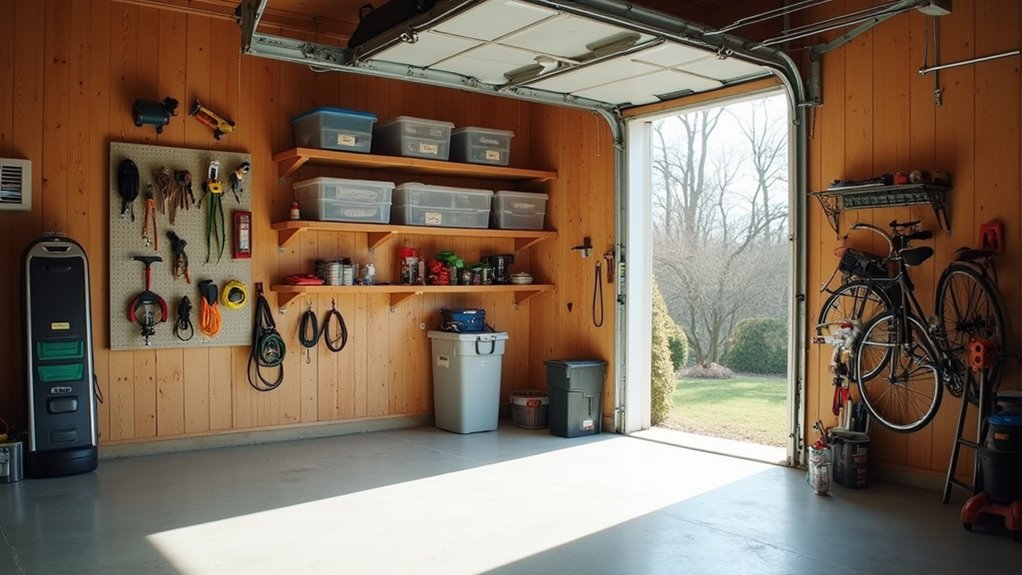
Items you reach for weekly or daily deserve the most accessible zones, meaning the spots between waist and shoulder height, closest to the door. In a closet, that means everyday clothing, work outfits, favorite shoes, and accessories you wear often. Keep them on the front of rods, eye-level shelves, and easy-to-open drawers. In a garage, give accessible wall space to frequently used tools, gardening supplies, sports equipment, and car-care basics. Hang them on wall-mounted organizers so they’re easy to grab without moving anything else.
Push occasional-use and seasonal items higher or farther back. Luggage and holiday décor can go on overhead racks. Leave clear walkways and a little open space, so you can return items quickly and keep your system working.
What Storage Problems Show That Store Bought Organizers May Not Be Enough
Store bought organizers may not be enough when bins don’t fit your shelves, tall equipment has no home, vertical space goes unused, units wobble or boxes soften, or long coats crowd shorter garments on a single rod. If your newly sorted belongings still end up back on the floor, the problem may be the storage itself rather than your system.
Watch for these warning signs. Your bins don’t fit the shelves you measured, leaving gaps or overhanging edges. Tall equipment has no home because fixed shelves can’t adjust. Walls and ceilings stay empty while the floor fills, showing you haven’t used vertical space. Freestanding units wobble under loads, or cardboard boxes soften from garage moisture. In the closet, long coats crowd shorter garments because there’s only one rod.
When you spot these patterns, upgrade. Add adjustable shelving, wall-mounted organizers, overhead racks for dry seasonal items, or double hanging rods. Anchor cabinets, switch to durable plastic bins, and build storage around your measurements.
When Is It Worth Planning a Custom Closet or Garage Storage System
A custom closet or garage storage system is worth planning when store-bought organizers can’t fit your space or your belongings, even after you’ve sorted, purged, and measured. A custom plan makes sense when these conditions apply:
- Your measurements reveal wasted space. Odd angles, sloped ceilings, or unused wall height leave gaps that standard shelves can’t fill.
- Your kept items need specific support. Long coats, bulky sports gear, or heavy tools require adjustable shelving, wall systems, or overhead racks built for their size and weight.
- You’ll use the space for years. A lasting layout justifies the cost when you’re committed to maintaining clear categories.
Sketch your zones, list what each holds, and confirm the design leaves walkways and room for future changes before you commit.
Give Everything a Permanent Place
The best post-sale cleanup turns cleared space into storage that actually fits what you decided to keep. Creative Closet Design creates custom garage storage systems and closet solutions for Central Florida homeowners, using shelving, cabinets, drawers, and wall storage sized to the space. Serving Lakeland, Auburndale, Winter Haven, Plant City, Polk County, and Hillsborough County, our designers will look at what you own, how often you use it, and where it should live before drawing anything. Call Our Team to schedule your free design consultation.
Frequently Asked Questions
What Should You Do With Unsold Yard Sale Items Afterward?
Sort your unsold items into keep, donate, discard, and relocate piles so you don’t return unwanted clutter to storage. Check each piece for damage, moisture, pests, or expiration, and toss anything broken. Drop donations off promptly, and group what you’re keeping by type. Don’t automatically reshelve long-stored boxes; review them first. Finally, set a destination (donation, resale, or disposal) for future castoffs so your fresh, organized space stays that way.
How Should You Store Gasoline and Propane Safely in a Garage?
Store gasoline and propane in dedicated, leak-proof containers, and keep them well away from water heaters, furnaces, pilot lights, and other ignition sources. Lock them where children and pets can’t reach them. If you’ve got a separate shed, it’s often the safer spot. Don’t run vehicles or gas-powered equipment inside the garage, and install a carbon monoxide detector. With these steps, you’ll confidently protect your family and newly organized space.
Are Plastic Bins Better Than Cardboard Boxes for Garage Storage?
Yes, plastic bins usually beat cardboard in a garage, especially where temperature and moisture change. Cardboard can absorb dampness, weaken, and invite pests, while durable plastic holds up and protects your belongings. Once you’ve sorted what you’re keeping, measure your shelves before buying bins so they fit. Then label each bin by contents, store seasonal items higher, and keep frequently used gear within easy reach. You’ll find everything much faster.
Where Should Oily Rags and Firewood Be Stored After Reorganizing?
Store oily rags and greasy towels outside your garage storage area, not tucked onto shelves with your newly organized bins. Keep firewood outside too, stacked on a rack about 20 feet from your house or other structures. Once you’ve placed both items, you’ll free up space and cut clutter. Take a quick final walk-through, confirm each new spot, and you’ll keep your fresh setup safer, tidier, and easier to maintain.
How Can You Keep a Reorganized Closet or Garage From Getting Cluttered Again?
You’ll keep clutter away by giving everything a clear home and a clear exit. Label bins by contents, using reusable labels if your needs may change. Leave open shelf space and walkways, and return items to their categories after each use. Reassess clothing periodically; try tracking inside-out garments and donating what stays unworn after six months to a year. Finally, choose where future unwanted items go: donation, resale, or disposal.